 Jesse Knight
 Online casinos’ famed flashing reels and inaudible sound effects draw in the crowd. Underneath all this glamour steps a mysterious number: RTP or Return to Player. RTP is the arithmetic behind every spin, shuffle, and roll, even though it may seem like a boring number. It’s not only for number nerds; anyone who wants to play smart has to know it.
What Is RTP, Really?
Return To Player (RTP) is the percentage that shows how much of the total wagered money on a game theoretically is going into the player’s pockets over time. For example, a slot with a 96% RTP theoretically pays ₹96 for every ₹100 that is bet. But here’s the catch: this is based on millions of spins, not just your Friday night session.
Then comes volatility. A game with a high RTP might feel “cold” because it is just so unpredictable that wins are less frequent but large. Low volatility games generally win big less often. The game’s code has the math behind these dynamics built in To ensure that all games are fair and truly random, Random Number Generators are used.
The House Edge: The Casino’s Silent Partner
The house edge is the casino’s friend, whereas RTP is the player’s. It is the opposite of RTP. A game with a 96% RTP has a 4% house edge, which means that the casino intends to keep ₹4 of every ₹100 that is bet. This is the difference that allows casinos to make money while still giving players a fair chance.
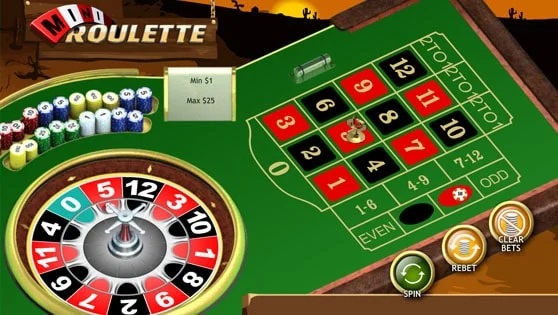
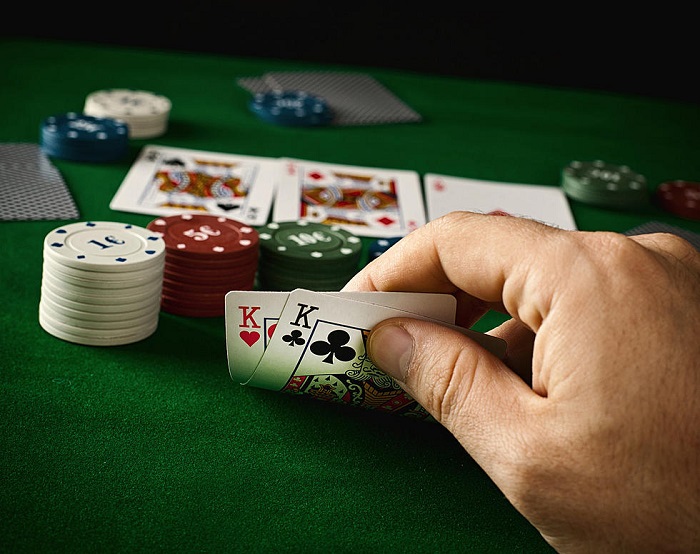
The house edge is different for each game. When played correctly, blackjack offers an RTP of over 99.5%, while American roulette has an RTP of around 94.74%. Depending on the game and the platform, slots can hold very wide ranges in payouts, from 88%-98%.
Why It Matters
Players may make smart selections when they know what RTP and house edge mean. It’s not about beating the system; it’s about being aware of what you’re doing. If you want to play for a long time, picking games with higher RTPs can help you get more out of your money and make the experience better.
BusinessDay unpacks casino odds and RTP models makes it obvious that regulation and openness are very important. Before a game is released, creators in many areas must send their RTP calculations to a third party for verification. This, therefore, implies that what you see on the info panel isn’t just some more marketing fluff; it is math.
Final Thoughts
If a new slot machine or a sleek blackjack table catches your eye, take a minute and see what’s over the curtain. The numbers are true. If you know the underlying arithmetic behind online casino return rates, you may change a game of chance into a game of choice, whether you’re a casual player or a pro.